Why Language Matters at Patient Check-In
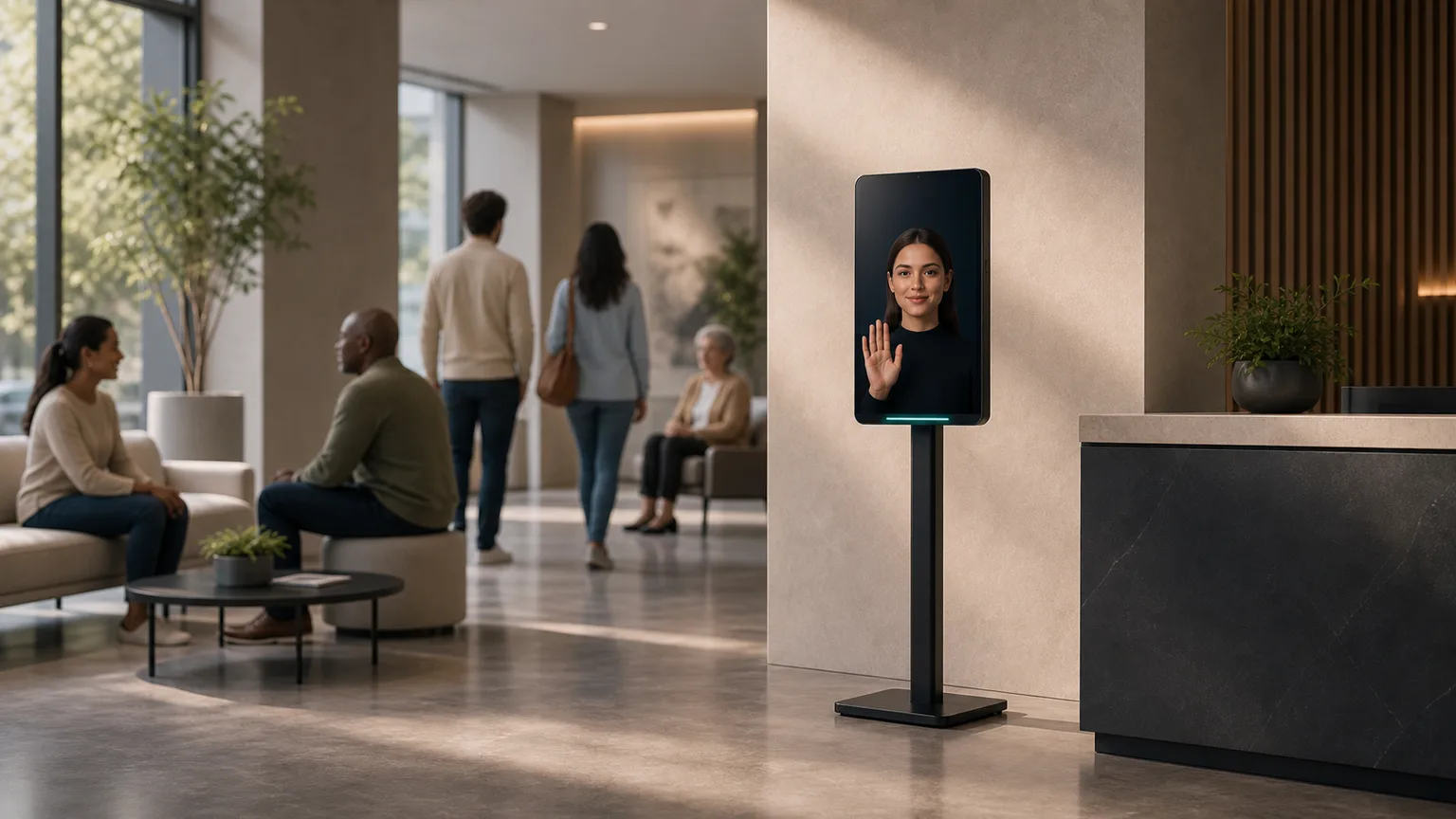
The language gap in healthcare
Over 67 million people in the United States speak a language other than English at home. In metro areas like New York, Los Angeles, and Miami, that number exceeds 40% of the population.
Yet most medical offices offer exactly one language at the front desk: English. Maybe Spanish if they're lucky enough to have a bilingual receptionist on shift.
This isn't just an inconvenience. It's a patient safety issue and a revenue problem.
What happens when patients can't communicate
Research shows that language barriers in healthcare lead to:
- 40% higher risk of adverse events
- 30% more unnecessary diagnostic tests
- 50% lower patient satisfaction scores
- 25% higher no-show rates among non-English speakers
When a patient can't understand the check-in process, intake forms get filled out incorrectly. When they can't ask questions, they skip follow-up appointments. When they feel unwelcome, they find another provider.
The interpreter problem
Professional medical interpreters cost $50-$150 per hour. Phone interpretation services charge $2-$5 per minute. For a busy clinic seeing 10 non-English-speaking patients per day, that's $1,000-$3,000/month.
And availability is never guaranteed. Patients wait longer, appointments run over schedule, and the whole practice slows down.
How AI changes everything
An AI avatar kiosk with real-time language detection solves this at the point of entry:
Automatic language detection
The avatar detects the patient's preferred language within seconds — through voice recognition or a simple touch selection — and switches seamlessly. No interpreter needed. No awkward gestures. No delays.
30+ languages supported
From Spanish and Mandarin to Hindi, Arabic, Russian, Korean, Haitian Creole, and beyond. Every interaction — greeting, check-in, forms, reminders — happens in the patient's language.
Culturally aware interactions
Language isn't just about words. The AI adapts its communication style, formality level, and interaction patterns based on cultural context. A greeting in Japanese is different from a greeting in Portuguese — and the avatar knows that.
Consistent quality
Unlike human interpreters who vary in skill and availability, the AI delivers the same quality of interaction every time. 6 AM or 6 PM. Monday or Saturday. First patient or fiftieth.
The business case
Beyond patient satisfaction, multilingual AI reception directly impacts revenue:
- Capture underserved markets: In diverse communities, being the only practice that speaks a patient's language is a powerful competitive advantage
- Reduce no-shows: Patients who understand their appointment details show up. Reminder texts in their language have 3x higher engagement
- Increase referrals: Satisfied patients tell their community. Word-of-mouth in immigrant communities is the #1 referral source
- Lower liability: Accurate intake forms and clear communication reduce malpractice risk
Real-world impact
A dental practice in Queens, New York — serving a community that speaks 15+ languages — deployed a Face2me kiosk and saw:
- Patient intake errors dropped by 60%
- New patient acquisition increased by 25% from non-English-speaking communities
- Interpreter costs eliminated entirely ($1,800/month saved)
- Google reviews in non-English languages increased 4x
Getting started is simple
The language capabilities come built into every Face2me plan. There's no extra charge for multilingual support — it's core to the product.
During setup, we configure the avatar's language preferences for your community. If your practice is in a predominantly Spanish and Mandarin-speaking area, the avatar prioritizes those languages while still supporting 30+ others.
The future of healthcare is inclusive. And it starts at the front desk.